Article
Plant variety licensing in Saudi Arabia: who may propagate?
When production scales, limits on propagation, contractors and lots determine what a nursery can do and what investors can finance.
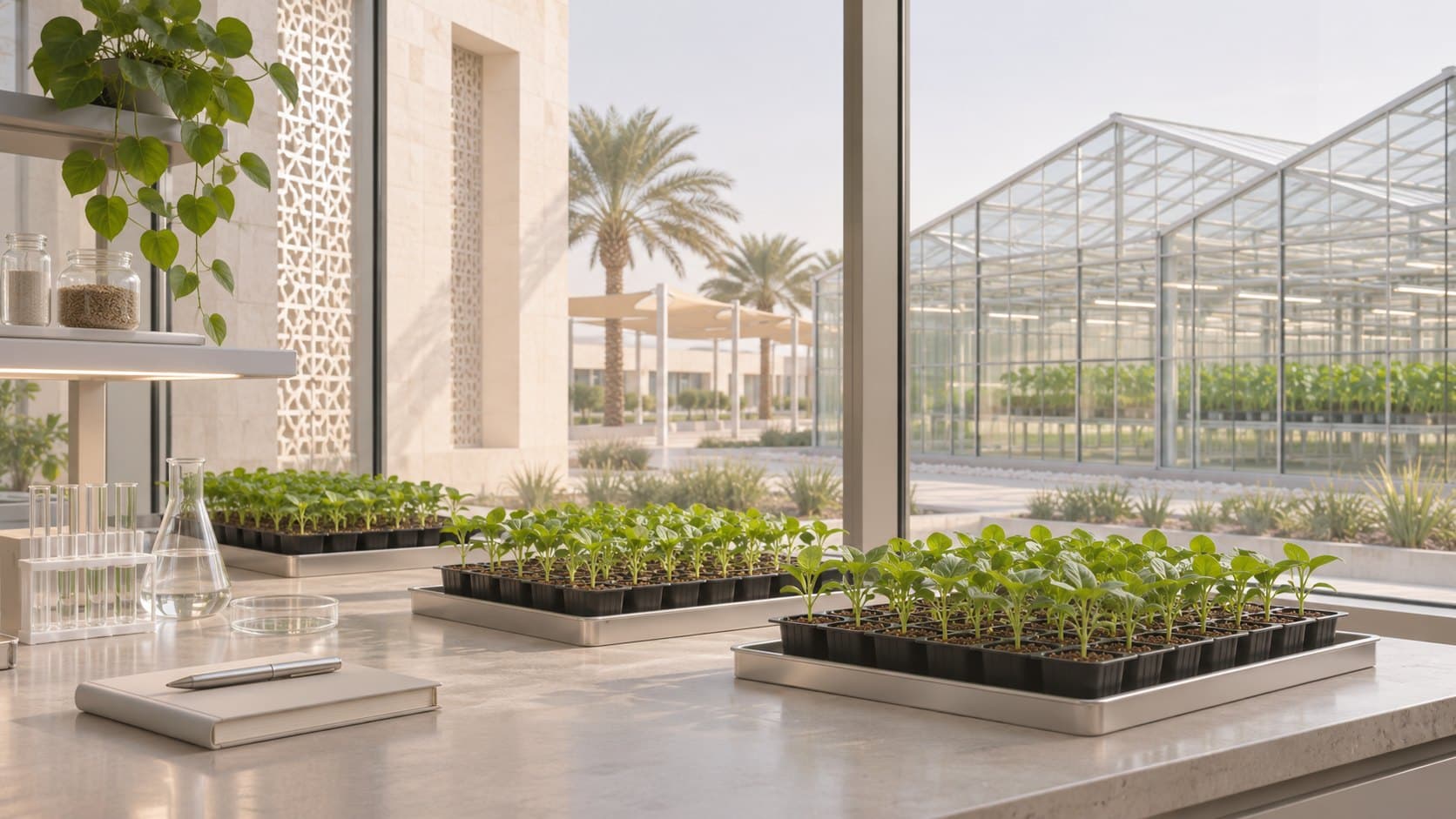
The holder of a protected Saudi plant variety wants more seedlings before the growing season. In this hypothetical, a nursery offers to purchase propagating material and sell seedlings to identified growers, but wants to use a partner farm and carry some stock into the next season. Sales wants the extra capacity. The rights team is concerned that the partner could produce under its own name or exceed the agreed volume without payment. Before shipping any material, decide whether the deal covers a purchase to raise a crop, or grants a controlled right to propagate. That decision shapes the number of cycles, the permitted locations and what can be sold or retained at season end.
How does buying seedlings differ from licensing their propagation?
Article 56(a) of the law issued under Royal Decree M/27 addresses exploitation of propagating material of the protected variety in Saudi Arabia. The acts identified by the provision include production or propagation, conditioning for propagation, exporting, importing, offering for sale or marketing and stocking for those purposes. Begin with the purpose and terms of the purchase and the source of the material, then identify each additional act contemplated. A deal may provide for purchasing seedlings or raising a crop in a single season, while producing another generation calls for review of the propagation right, permissions and the parties’ obligations. Separate quantities of initial material from quantities authorised for production or sale. Record wastage and stock remaining at the end of each cycle.
How should the parties define scope before the first delivery?
Verify the protection document’s owner and status. Match the denomination, reference number and material to be delivered against the contract. Give each licensed act an operational schedule stating locations, seasons, participants and approved destinations. Article 21 addresses the owner’s ability to license some or all acts of exploitation. Article 23 addresses the scope of the licensee’s rights in the absence of contrary terms and restrictions on assignment. If the intention is limited production at one nursery, specify location and volume limits, eligible buyers and the role of subcontractors. Check any promised exclusivity and whether the owner retains the ability to exploit the variety or grant further licences. Incorporate the schedules into the contract so seasonal pressure cannot reset the scope by informal agreement.
May the nursery appoint a partner farm to propagate the variety?
Assess whether the arrangement is a service under the nursery’s control, a separate grant of rights or an assignment of an existing licensed right. The position differs in practice if the farm will receive original material, produce further batches or market output in its own name. Specify the instrument authorising its role, who is responsible for breach, its allocation and location, the duration and what it must return. Where the holder’s consent is needed, require it in writing before release and identify the farm and traceability procedure. The nursery could instead buy a limited service within its own premises if control over material movement matters more than acreage. Check activity-specific regulatory permissions separately where the market requires them.
When can rights extend to harvested material or exceptions apply?
Article 56(b) can extend rights to harvest obtained through unlawful use of propagating material where the owner had no reasonable opportunity to enforce its right in relation to that material. Article 56(d) excludes acts for personal non-commercial, experimental or breeding purposes on its terms. In a trial programme, document the purpose, quantities, deliveries, remaining stock and any sales. If a trial becomes regular seedling supply, review the change of purpose and scope before proceeding. Where a later variety is claimed to fall within the protection, test the conditions of Article 56(c) with technical assistance. In a dispute, establish the batch trail and actual acts before assessing whether a claim relating to harvest can be supported.
Where the business depends on one nursery, plan how supply will continue if propagation stops or a lot fails acceptance on time. The parties could agree to a reserve held by the licensed nursery or advance consent for a second contractor within the same volume and territory limits. Allocate testing and transport costs, distinguish each contractor’s material in the records, and identify who can release each lot. Procurement can then compare the cost of redundancy with the cost of losing a season without granting open-ended propagation rights.
How should parties structure payment and verify quantities?
Payment may be tied to seedlings sold, batches produced or a minimum per season. Choose a measurable basis and agree adjustments, reporting dates and record-review rights. For sales-based payments, specify evidence for discarded lots, returns, free samples and stock carried forward. A production-based payment may shift losses to the nursery, which can be reflected in the batch price or trial limits. Test the arrangement with one example from issue of starting material to sale of output. Assign responsibility for addressing discrepancies. A trial can reveal that the reporting scheme fails to distinguish material that can still be propagated from harvest intended for sale, a distinction that affects monitoring and the evidence available in a dispute.
When should the licence be registered, and what happens at season end?
Article 21 provides that the licence is ineffective against third parties unless the prescribed fee is paid and it is recorded with the authority. SAIP offers a registration service for contractual plant variety licences. Allocate responsibility for filing and proof of registration before funding or distribution milestones as agreed. Before the season ends, arrange a joint inventory to identify permitted run-off, stock to return or destroy and accounting for batches still growing. If no extension is agreed, establish who retains access and the partner grower’s obligations. Cabinet approval of the standalone New Plant Varieties Law was announced on 20 October 2026. As of 24 November 2026, publication of the final text or its commencement date could not be verified, so this analysis uses the existing provisions that could be confirmed.
What should an investor review before financing more propagation?
Reconcile the protection document and licence with the propagation sites, participating operators, prior-season records and stock-monitoring plan. In the hypothetical, fund the first batch at one site against a volume limit, and tie finance for the second site to valid permission and evidence that the nursery complied. If the partner’s activities cannot be controlled or the fate of residual material cannot be established, cost an alternative site or a smaller seasonal commitment. Assess the timetable, capital and expected sales under each route. Rights clearance is a production decision as well as a contract review.