Article
Investing in special economic zones: choosing a site, activity and evaluating incentives
A packaging plant example showing how to compare Saudi special economic zones by site, qualifying activity, goods movements and economic substance.
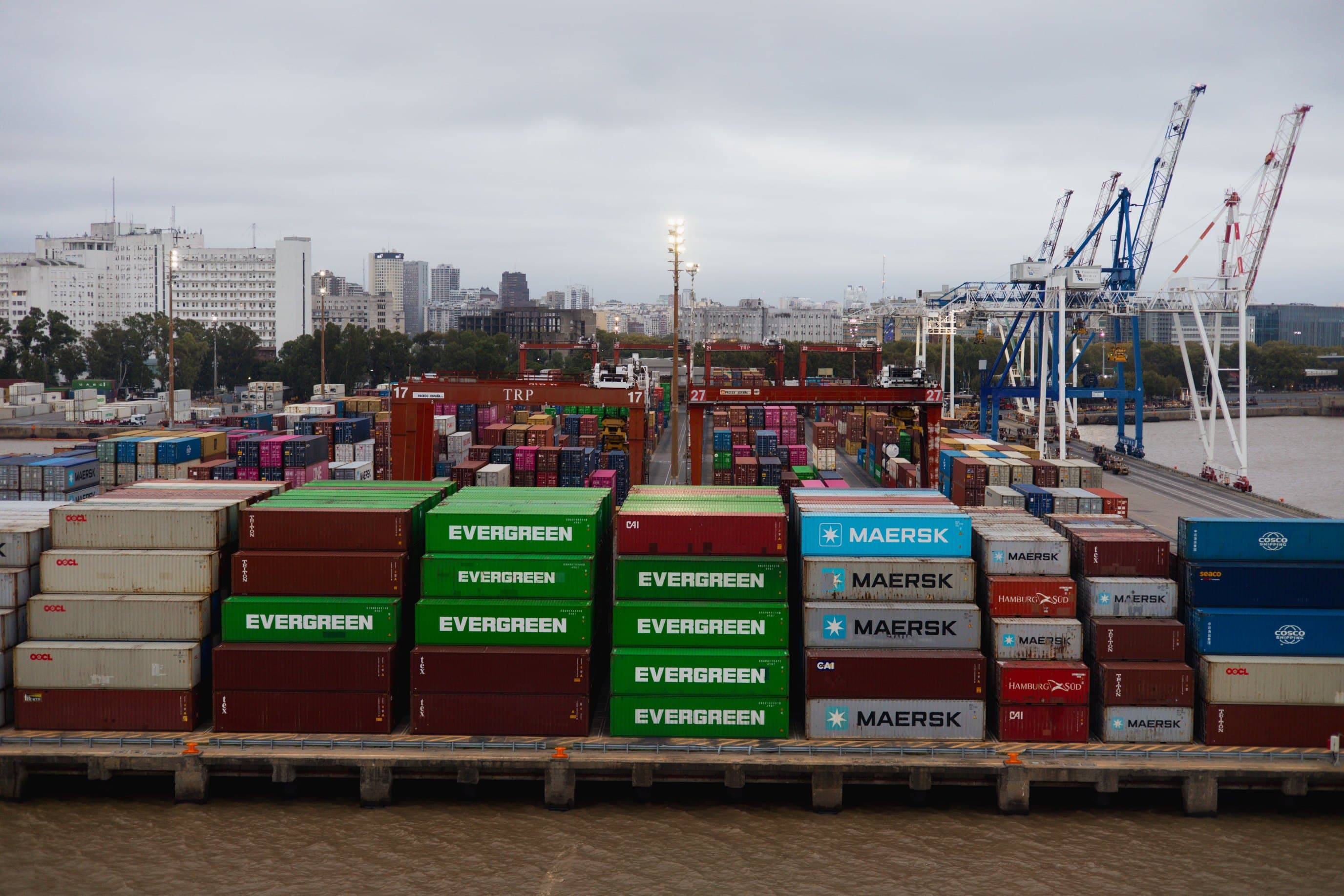
Can a special economic zone improve the economics of this project?
An investor plans a packaging plant supplying businesses in Saudi Arabia and exporting part of its output. Management compares a special economic zone with a location elsewhere. The advertised incentive is attractive, but the plant needs land, utilities, imported inventory and local distribution. Ask whether the operating model works after applying the requirements for each flow and what it costs to maintain eligibility. Map the product from receipt of inputs to delivery. Identify who purchases goods, where processing occurs, where customers are located and who owns inventory at each point. Test a high export launch, rising domestic demand and a delay in site readiness. A location with lower logistics costs can be a better fit even if another offers a stronger headline incentive. The investment decision needs operating evidence and legal analysis together.
How should the investor shortlist zones by activity and location?
The Economic Cities and Special Zones Authority describes target sectors that differ by zone. Examples include packaging and logistics in King Abdullah Economic City, food manufacturing and metals processing in Jazan, maritime activities in Ras Al Khair and technology sectors in the cloud computing programme. Use these descriptions to shortlist sites, then check the qualifying activity and licence requirements in the proposed zone. The rules distinguish qualifying from supporting activities, with possible differences in treatment. For packaging, compare supplies, port access, delivery times, labour and utilities against licensed scope. Check whether separate storage or sales need an approved route. Obtain site details and utility specifications before signing a long reservation. Physical readiness affects launch even if the licensing work is complete.
How should the team distinguish a published incentive from its tax outcome?
Article 7 of the King Abdullah Economic City and Jazan zone regulations addresses exemptions and incentives within their scope, including a five per cent corporate income tax rate for licensed entities for twenty years and conditional withholding, VAT and customs treatments. Both regulations were published on 16 September 2026 and operate from publication under their terms. Guidance from the Zakat, Tax and Customs Authority describes specific applications and explains that the cloud zone has a distinct treatment. Check eligibility of the entity, activity, income or goods, period and evidence before building a benefit into the model. Identify the rule that supports a promotional figure for the proposed transaction and the proof it requires. Compare a location outside the zone and factor in the cost of sustained administration and compliance.
How should the investor model sales between the zone and the rest of Saudi Arabia?
Map goods movements separately. Import from overseas can be treated differently from a mainland supply into a zone, a transfer between zones or an exit for sale elsewhere in the Kingdom. Customs suspension, zero rating and treatment outside VAT depend on the conditions for each flow. Model one batch of imported material, with some output exported and some sold in Saudi Arabia. Record importer, classification, quantity, suspension status, invoice issuer and what is needed to release the goods. Then test a change in destination. If local sales grow, reassess working capital and tax payment dates. Compare a shipment processed and exported from the zone with another delivered to a Saudi customer. This ties differences to the project’s sales mix. Suppose that the plant expects to export sixty five per cent of output, then receives an offer that takes domestic sales to half of production. Calculate the inputs attributable to goods leaving the zone and the timing of release. Check who complies with exit conditions, who pays the cost and when the customer pays. The contract price or short term finance may need to change if costs fall due before collections.
What work must take place in the zone?
The Economic Substance Requirements Regulations were published on 7 August 2026. Article 3 addresses scope and Article 9 provides for effectiveness from publication. Article 4 covers suitable premises and assets, full time staff present in the zone, expenditure and management of qualifying activities from the first financial year in which they are carried out. Additional requirements apply to intellectual property activities within scope. Article 6 requires an annual return. Identify evidence from the outset, including asset locations, approvals, staffing and operating decisions. Compare the requirements with any plan to provide support from a different office. Determine which functions need to be performed locally and their cost. A monthly record reconciling output, personnel and expenditure to source documents can support review and reporting.
How should site, licensing and financing terms connect to launch?
Ask for specifications, fit out schedules, power connection, test dates and licensing dependencies. Quantify delay at each stage. Consider staged payments tied to readiness or an exit condition if material approval is unavailable within an agreed period. Review lender requirements for relocation, security or assignment of site rights. For the pilot project test training, receipt of the first shipment and the first purchase order. A distributor may take orders before the plant is ready, but check that customer commitments match each party’s licensing and delivery capability. Test the end of the incentive period, a higher domestic sales mix and expansion beyond the original site. If a material assumption changes, revisit approval before taking on new commitments.
What should happen before investment approval?
Present at least two choices with activity, goods and revenue flows and a licensing plan. For each incentive identify its basis, conditions and who retains the evidence. Compare cash after utilities, logistics and substance costs. Show a case without the incentive or with a delayed site. Assign dates for checking the first goods movement and invoice. If a material question remains, such as treatment of goods leaving for the local market, define it and allow time for official clarification before committing price or launch. Avoid making the entire commercial timetable depend on an unconfirmed classification or assumption. Keep the analysis up to date as sales destinations, suppliers or licensing terms change. Give someone authority to review product pricing when the assumptions change.
Frequently asked questions
Do all entities in a zone receive the same incentives?
Check the zone, licence, activity and transaction conditions. Supporting activities and income outside qualifying activities can have different treatment.
Does a zone licence resolve customs treatment on entry to the local market?
Check the movement, customs and tax status and documentary evidence. Model a domestic sale before agreeing a fixed customer price.
Is a registered address in the zone enough?
The economic substance rules cover assets, staff, expenditure and management in relation to qualifying activity. Check that the company can demonstrate its actual operations.
Conclusion
Choose a zone for its fit with the activity and the cost of reaching customers. Test each incentive against the transaction and plan for economic substance before committing to a site. Compare how the alternatives perform if exports fall, launch slips or the expected treatment changes.
For more information, contact us