Article
Industrial investment in Saudi Arabia: site selection, licensing and operating contracts
How can investors compare a ready built factory with industrial land and coordinate approvals, utilities and plant acceptance in the operating contract?
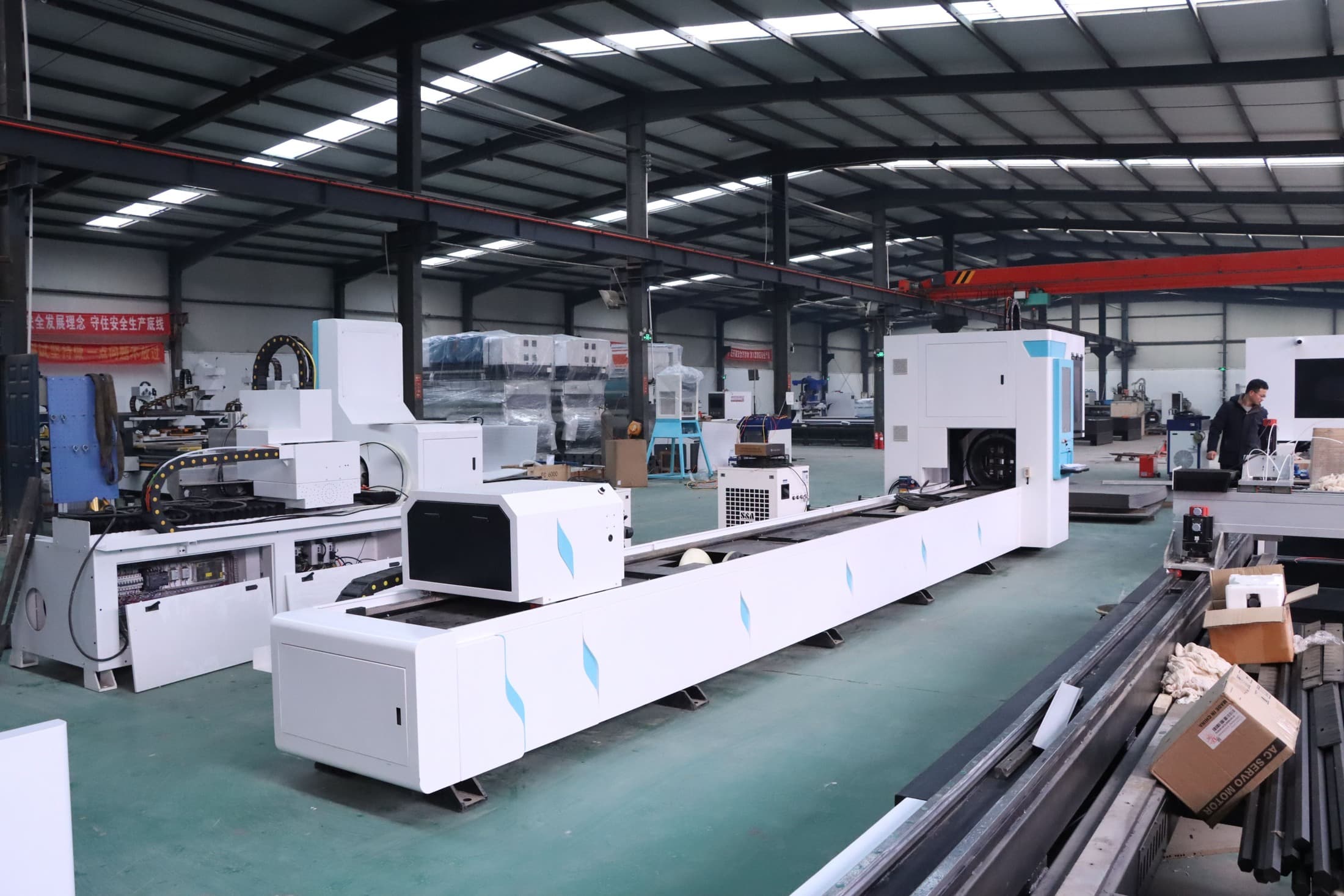
What decision comes before committing to a factory site?
An industrial packaging investor wants to establish a factory in Saudi Arabia and is considering buying a production line before choosing a ready built unit or industrial land. The unit offers early possession. The land offers more control over equipment layout and expansion. The assessment changes if electricity, floor load or truck access cannot support the intended operation. Start with the manufacturing process, inputs, end products and operating hours. Use one site specification for the land allocation, licensing review and operating contract. Compare the date when each option can deliver saleable output and the cost of getting there. Include the consequences of constrained expansion. That comparison gives the board a basis for deciding how much capital to commit before it has confirmed the location can support the long term plan.
How should investors compare a ready built factory and industrial land?
A ready built unit can work if its structure accommodates production, loading, maintenance and circulation requirements and the actual activity is permitted there. Industrial land offers control over design, storage and expansion, with greater development responsibility and a longer route to revenue. Compare lifetime costs including utilities connection, expansion limits, insurance and interruption when installing a second line. Ask the site allocation authority or operator to confirm permitted uses and its process for adding an activity or capacity. Check access rights, utility routes and handling areas. If a landlord or developer promises space for future expansion, document the area, availability date and usage conditions before counting it in the investment return.
How do site allocation, industrial licensing and production differ?
The site file records the contractual right to occupy and use the land or building. Industrial licensing addresses establishment and permitted industrial activity under the applicable process. Assess environmental and sector approvals separately for the activity and location. Article 5 of the Implementing Regulations of the Unified Industrial Regulation Law deals with industrial licence applications and associated steps. The National Portal provides a service for changing the status of an industrial licence. Under paragraph 2 of the approving Royal Decree, the law and regulations take effect ninety days after publication as specified in the decree. Article 3 of the Environment Law requires a permit or licence for environmental activities or activities with environmental impact, as defined by the regulations. Keep each approval with its scope, capacity, renewal date and prerequisites for the next stage.
When should the investor order equipment and release a deposit?
Distinguish the ability to cancel the equipment order, the price of cancellation, whether the equipment can be used elsewhere and the manufacturer’s design dependencies. If the utility confirms capacity only for basic production, the parties could defer ordering the section that needs additional power, make the principal payment contingent on proof of supply or buy a line that can expand in stages. Set a deadline for satisfaction of purchase conditions and agree what happens to freight, storage or delivery dates if the conditions slip. Before freezing equipment specifications, reconcile electricity, water, wastewater and storage volumes against the agreed site design. Allocate design revision costs arising from inaccurate inputs under agreed verification rules and liability limits. Keep the supplier’s survey and the record of site handover.
What belongs in an operating contract with an external operator?
Assign responsibility for buying materials, deploying labour, releasing batches, dealing with quality deviations and reporting incidents. If the investor contracts with customers directly, define how their specifications reach the operator and who approves changes to inputs or inspection methods. Map compliance duties against each approval because hiring an operator does not by itself change the named licence holder. Commercial options include a fixed operating fee based on an approved plan or a variable fee tied to accepted output. Spell out the treatment of damaged product, rework and startup scrap. Protect continuity through rights to access operating logs, inspection data and product recall procedures, an inventory of spare parts and a transition obligation in favour of the successor operator.
How should acceptance and operational risk transfer be timed?
Construction, equipment installation, testing and commercial operation have different financial effects. The handover schedule should distinguish physical completion, readiness for testing and proven performance under representative conditions. A line may meet the hourly output target while producing too many defects during a sustained run. Specify test duration, input materials, quality sampling and permitted scrap. Allocate retesting following failure and name the party confirming the site and safety conditions. For each certificate, state the effect on payment, the start of warranty, custody of equipment and responsibility for operating inventory. That allocation gives the company a way to resolve disagreements if the equipment meets the output target while customer approval of the product remains pending.
What should the investment committee require before final commitment?
Prepare a single matrix for the site, approvals, utilities, equipment supply, construction and operation. Each row should identify the decision owner, supporting evidence, expiry date and the effect of delay on first production and budget. Test at least two scenarios, such as a completed building with delayed connection and adequate power with a change in the activity classification or storage volume. Approve a limited preparation budget and release larger commitments only when defined written conditions have been met. Identify who can seek regulatory changes and sign change orders, and specify what operating data the owner receives. The investment paper should show the cost of each route, the amount at risk if it is abandoned and the date on which the committee can reconsider its choice.
FAQ | Does the site contract let the factory change its activity?
A change can require review of allowed use, the industrial licence, an environmental permit or a sector approval, depending on the activity. Adding surface treatment or storing a different input, for example, may affect emissions information or safety requirements. Describe the proposed change and volumes and compare the effects against each document before signing an equipment order. Establish whether expansion would consume capacity reserved elsewhere. Make technical and regulatory approvals express conditions in the change order so the parties can allocate time and cost before the work starts.
FAQ | When can outsourced manufacturing bridge a delayed opening?
Contract manufacturing can bridge an opening delay or test demand before a further investment. Verify that the alternative plant is licensed for the activity and can meet technical, traceability and quality requirements. Protect access to moulds and records and guard proprietary process information. Review customer contracts to see whether a new site or manufacturer requires approval. Having a qualified alternative before disruption allows the investor to compare the cost of outsourcing with the commercial effect of missing a first delivery.
Conclusion
Selecting a factory site means deciding how to reach saleable production at the planned capacity and date. Each assurance about premises, utilities or licensing should have supporting evidence, a timetable and a clear contractual consequence. Linking instalments and acceptance to provable milestones allocates capital against risks the investor can measure. An operating contract that deals with decision rights, data access and exit terms will also help the company manage expansion if it needs to change operators or outsource selected functions.
For more information, contact us
Contact AZ&P to discuss project documents and contractual risk allocation at https://www.azp.sa/en/contact